Winter break. ❄️ The booking office will answer your requests during office hours.

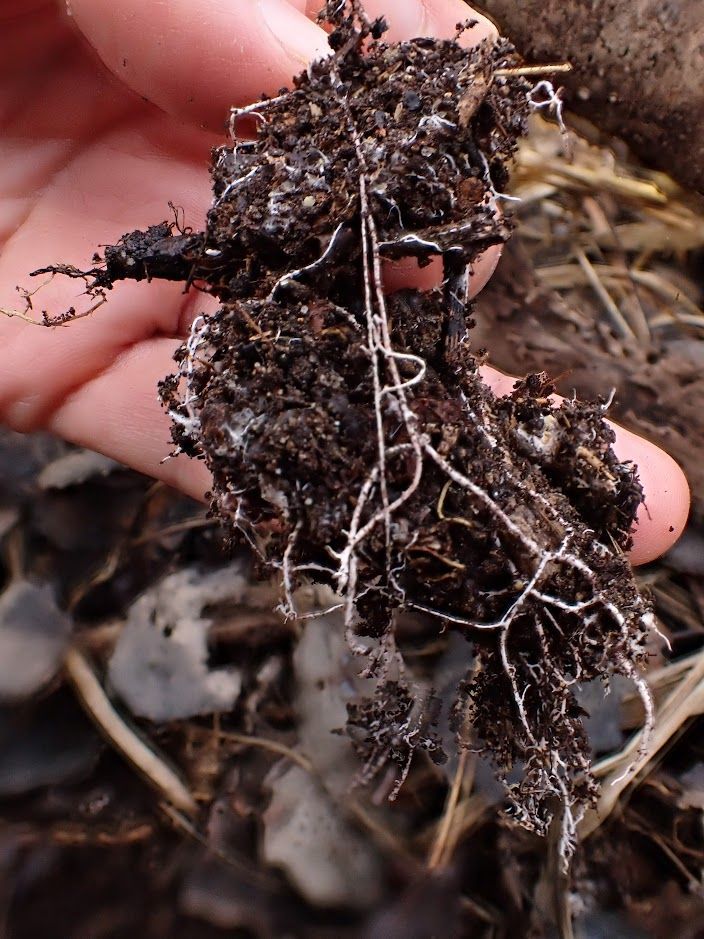
“Fungi” – curator interview about the special exhibition 2026 at the archeoParc
—
in Coming soon
From 4 July 2026, the archeoParc invites visitors into the fascinating world of fungi! The special exhibition curated by brasilian mycologist Mariana Villani and museum director Johanna Niederkofler, complemented by an art installation by Jana Nicole (UK), uniquely combines science, history, and art.
The Creation of the Exhibition: When Research Meets Cultural Mediation
Mariana Villani recalls the beginnings of the project:
“The idea for the exhibition emerged while Johanna and I were planning my stay at the archeoParc, where I carried out research for my Master’s thesis. During these conversations, Johanna proposed this meaningful exchange of knowledge, allowing my academic research to contribute to the archeoParc’s cultural and educational work.”
From the outset, the aim was to make the often-overlooked world of fungi accessible:
“From the very beginning, our goal was to present the world of fungi to the public in an understandable and informative way, conveying knowledge in an engaging and meaningful manner. Fungi are often overlooked, despite their extraordinary ecological and cultural significance.”
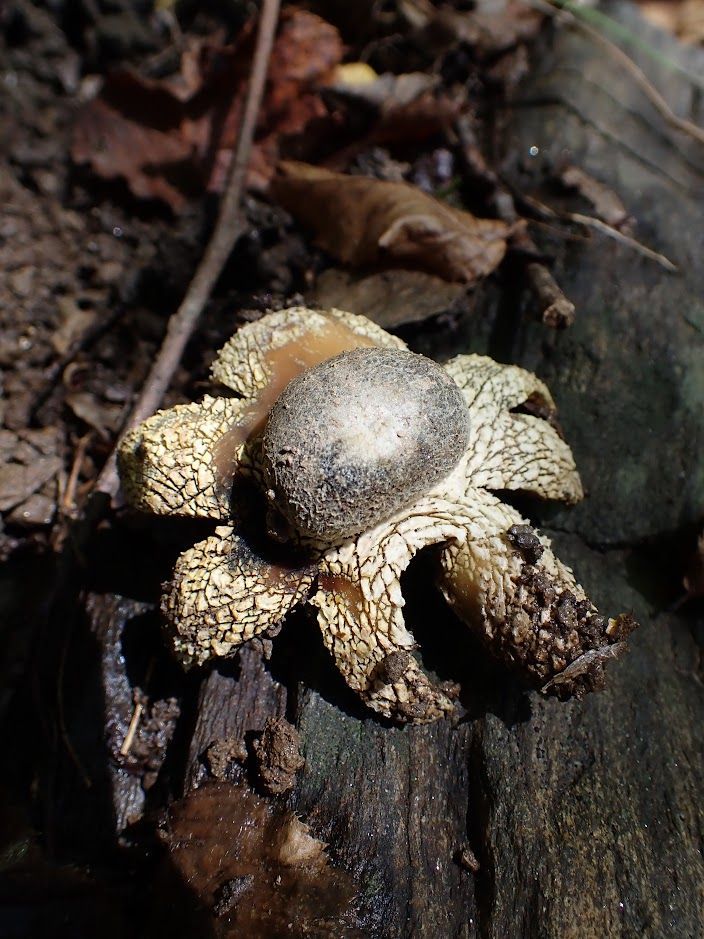
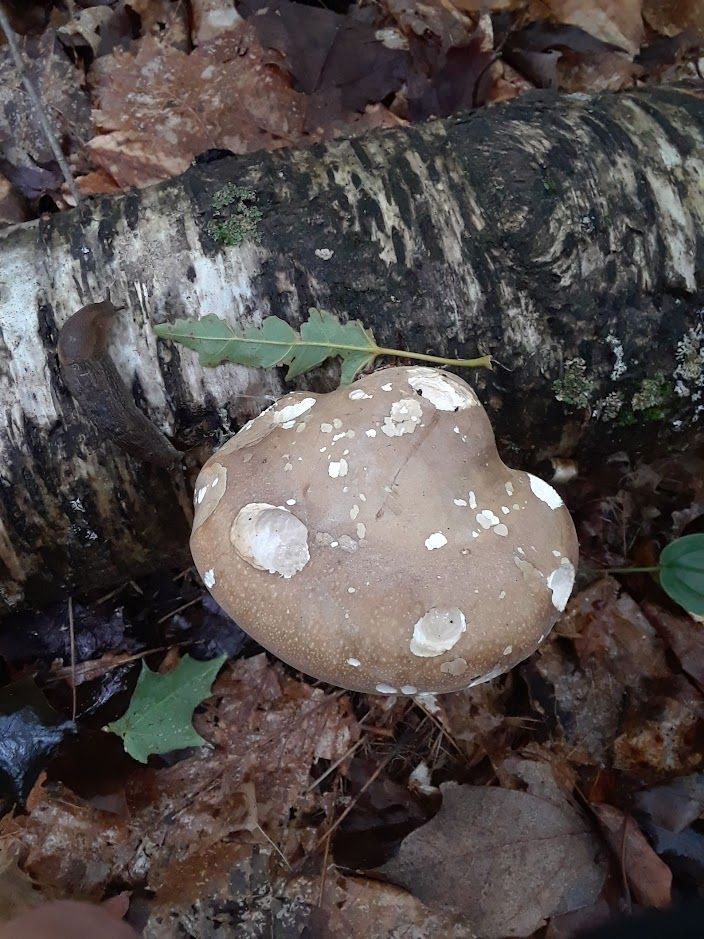
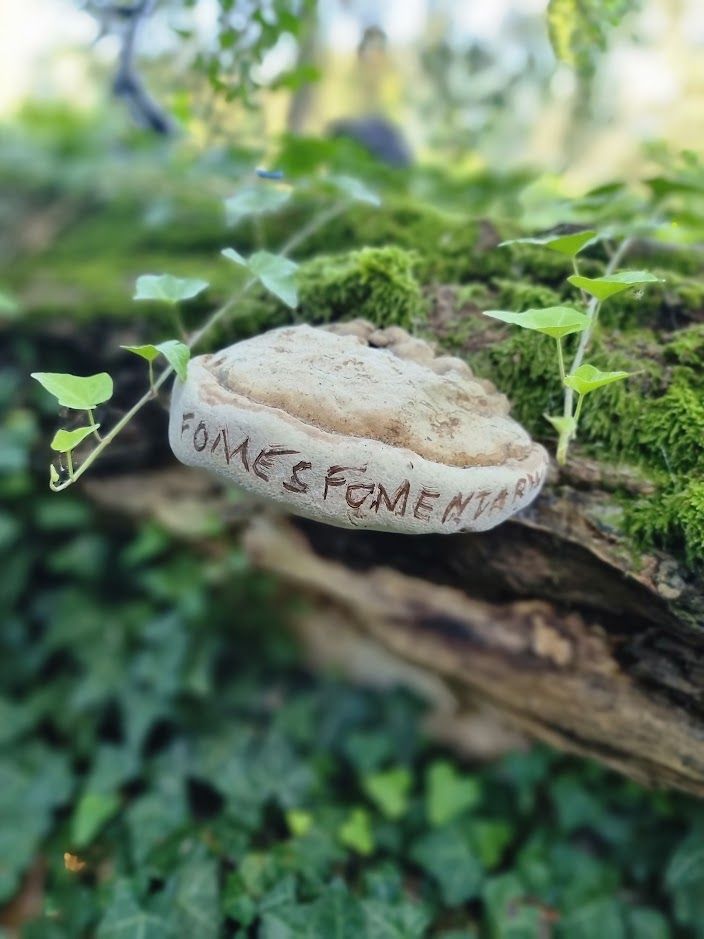
Ötzi and the Importance of Fungi
The exhibition also highlights the historical and cultural relevance of fungi. For Mariana Villani, the connection to Ötzi is particularly compelling:
“Fungi also played a central role in Ötzi’s survival. He carried them with him in the final moments of his life. This connection between fungi, human history, and survival gave the exhibition a very natural direction.”
Art as a Gateway to Science and History
Artist Jana Nicole contributes the artistic perspective:
“From an artistic point of view, my aim was to make the science and history surrounding Ötzi tangible through visual storytelling. Science and archaeology can sometimes feel intimidating or distant—especially for younger visitors. Through art, however, these topics can become more accessible.”
Her works reference the fungi Ötzi carried and use color, symbolism, and playfulness:
“My works take up the fungus that Ötzi carried with him and gently invite visitors to take a closer look. I hope they leave the archeoParc with a desire to learn more about Ötzi’s life, his journey, and the special relationship between humans and nature.”
The Val Seanles Valley as a Living Ecosystem
The Schnalstal Valley provides the ideal setting for the exhibition. Villani explains:
“The Schnalstal is an extraordinary alpine ecosystem shaped over thousands of years by glaciers, high-alpine pastures, forests, and traditional alpine farming and agriculture. It is a space in which biodiversity and human culture are closely intertwined.”
“This is the first time the archeoParc has dedicated an entire exhibition to fungi—organisms that are indispensable to alpine ecosystems but often remain invisible in nature conservation and cultural narratives.”
Structure and Content of the Exhibition
The exhibition follows a timeline from past to present to future and dedicates a specific section to the fungal species of the Schnalstal Valley:
“In this way, local visitors in particular can learn more about the species that accompany them in their immediate surroundings and reconnect with the living landscape of the valley.”
Jana Nicole summarizes the special collaboration:
“I am very happy to be part of this exhibition and grateful for the opportunity to contribute an artistic perspective alongside the scientific and historical ones.”
The special exhibition will open on 4 July with a vernissage. Information about visiting the archeoParc, opening hours, and tickets can be found here.